Cliffs of Moher Visitor Trail: What You Need to Know
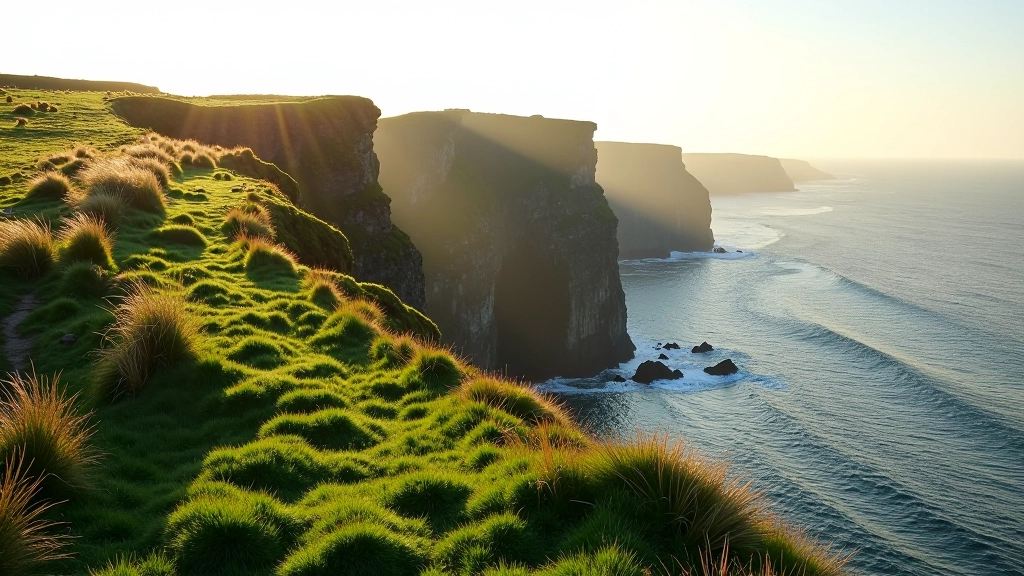
The Cliffs of Moher aren't just Ireland's most visited natural attraction — they're a genuine wonder. Seven kilometres of sheer golden cliffs rise 214 metres above the Atlantic, and the trail here is one of the most accessible cliff experiences you'll find in Ireland. But here's what matters: accessibility doesn't mean easy. You'll want to know exactly what you're getting into before you go.
We've walked this trail dozens of times and talked to hundreds of visitors. The information below covers what actually happens on the ground — the best viewing platforms, which sections work for different fitness levels, how to avoid the crowds, and what weather conditions really mean for your experience. This isn't marketing material. It's practical.
Quick Facts
- Trail length: 2 km (main section), 7 km (full coast walk)
- Elevation gain: 100 metres (manageable)
- Best season: May to September
- Most crowded: July-August, 11am-3pm
- Visitor centre: Open year-round
The Reality of Access Here
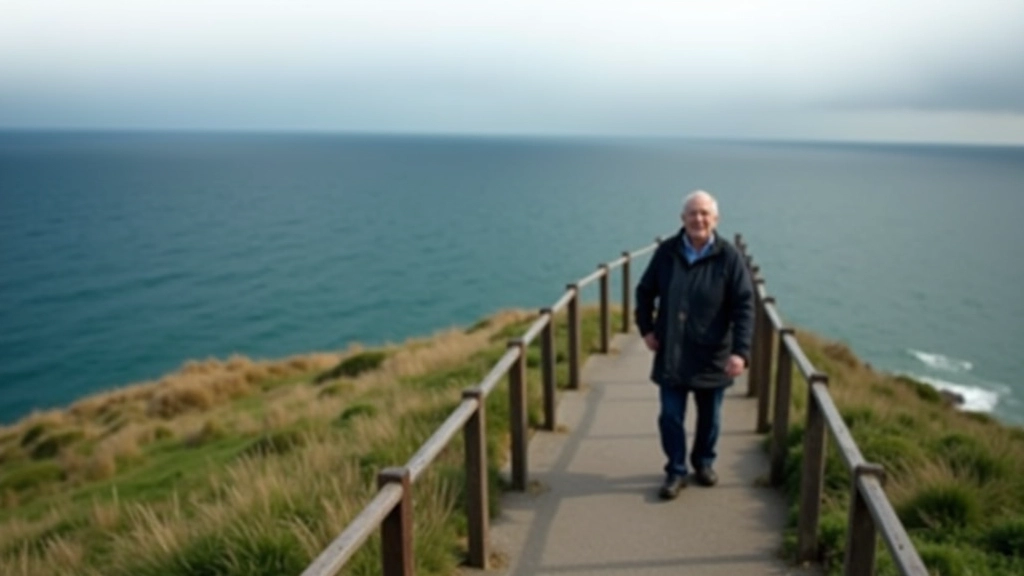
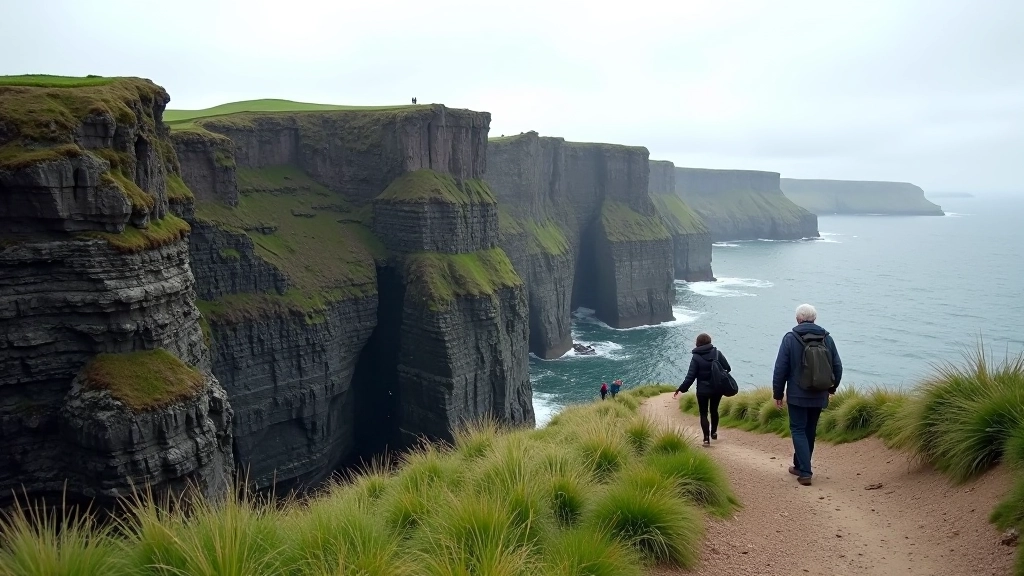
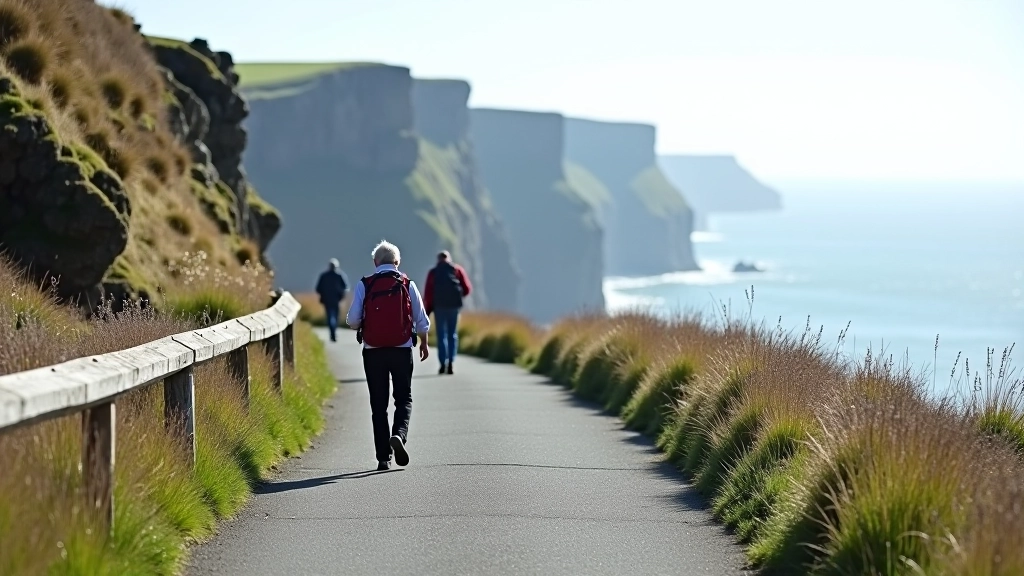
The main visitor trail from the centre stretches roughly 2 kilometres and follows a paved pathway for the first section. It's graded, mostly level, and you're not scrambling over rocks. That's the good news. The less comfortable part? The path gets narrower as you head toward O'Brien's Tower, and once you're beyond the tower area, it becomes a dirt trail with uneven surfaces.
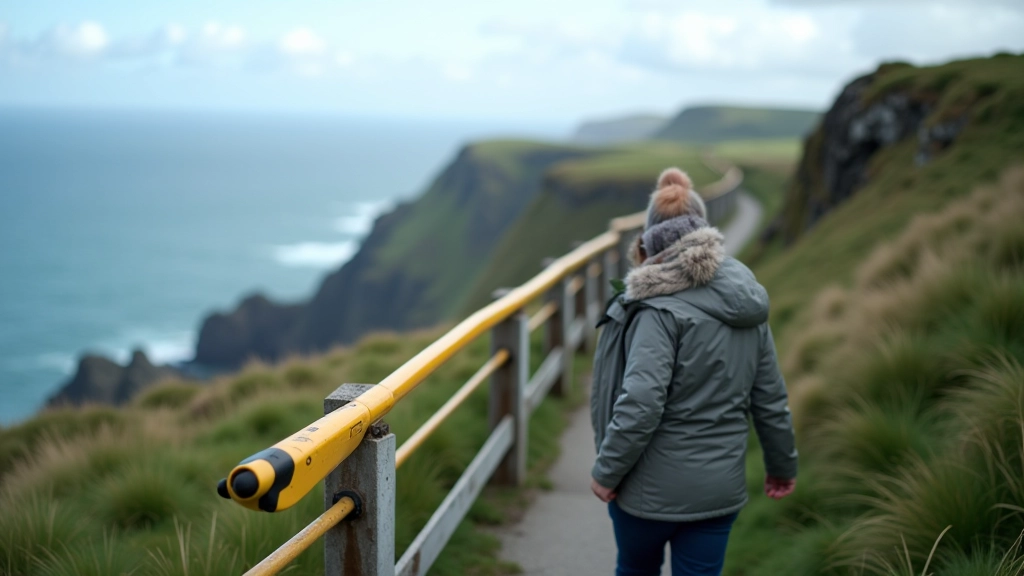
Most people with mobility concerns manage the first 1.5 kilometres without difficulty. The sections with proper railings and defined edges feel secure. But the trail doesn't end there. If you continue toward the far cliffs, you're on rougher ground without barriers. Wind gusts can be genuinely strong — we're talking knocked-off-balance strong on windy days. That's not exaggeration. It happens.
The visitor centre itself is fully accessible with elevators, clean facilities, and a café. Parking is ample, and the paths from the car park to the main trail entrance are smooth. If you've got mobility limitations, you can spend a solid couple of hours here without needing to venture onto the rougher sections.
Viewing Platforms & Key Spots
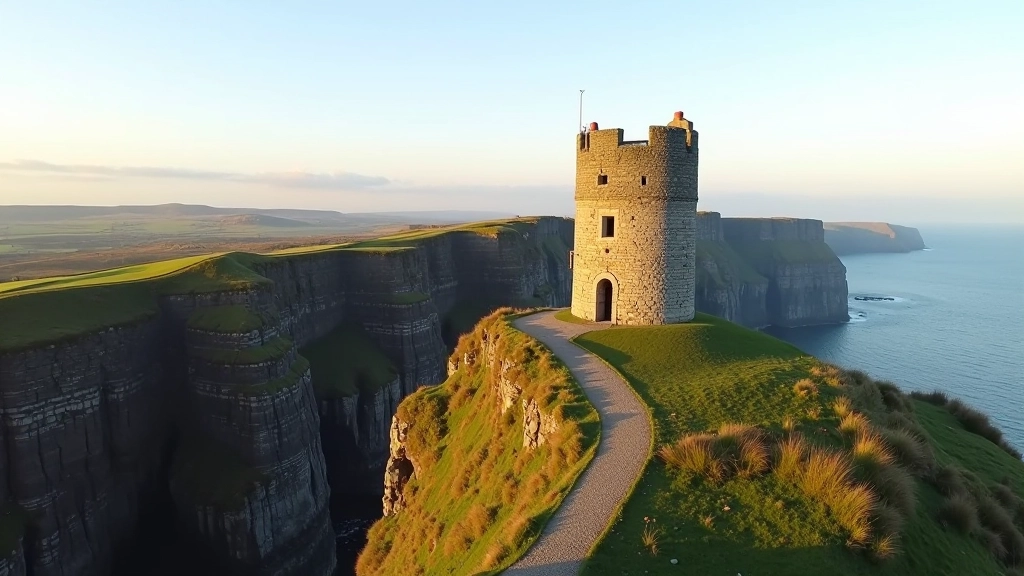
O'Brien's Tower is the main attraction, and there's a reason. Built in 1835, this round stone tower sits directly on the cliff edge and offers views that honestly take your breath away. The entrance fee is €3, and climbing the 92 steps inside gets you even higher. Not everyone makes the climb, but if you can manage stairs, it's worth it for the 360-degree perspective. On clear days, you'll see the Aran Islands and Galway Bay.
Beyond the tower, there are three or four other established viewpoints with railings where you can safely stand and take photos. Each one gives slightly different angles. Honestly, most visitors spend 20-30 minutes at each spot before moving on. Don't rush it. The light changes constantly, and the mood of the place shifts with it.
One platform, about 1.5 kilometres from the visitor centre, has less foot traffic and fewer crowds. It's worth the extra walk if you prefer quieter moments. The views aren't objectively better, but they're less interrupted by other people.
Weather Really Does Matter Here
This is the conversation we need to have. The Cliffs of Moher sit exposed to Atlantic weather, and conditions change rapidly. We've seen sunny mornings turn to fog and drizzle by noon. It's not unusual — it's expected. The issue isn't rain. It's visibility and wind.
On foggy days, you can't see the cliffs. That sounds obvious, but standing at the edge with zero visibility is genuinely disorienting. The railings help, but the entire point of coming here is the views. If it's foggy when you arrive, you've got two choices: wait (sometimes it clears within 30 minutes) or come back another day.
Wind is more serious. Regular coastal breezes are fine. But we're talking about gusts that can exceed 40 kilometres per hour on windy days. That's strong enough to make footing uncertain on uneven ground. Older adults, people with balance issues, or anyone who's lighter-framed should genuinely reconsider visiting on visibly windy days. The locals aren't being dramatic — they know the cliff.
Best visiting window: May through September, between 8am-10am or 4pm-6pm when weather is more stable and crowds are lighter.
Beating the Crowds (If That Matters to You)
The Cliffs of Moher pull over 1 million visitors annually. Most of them show up between 11am and 3pm, especially in July and August. If you're looking for solitude, it's not happening during peak season in peak hours. But it doesn't have to be chaotic either.
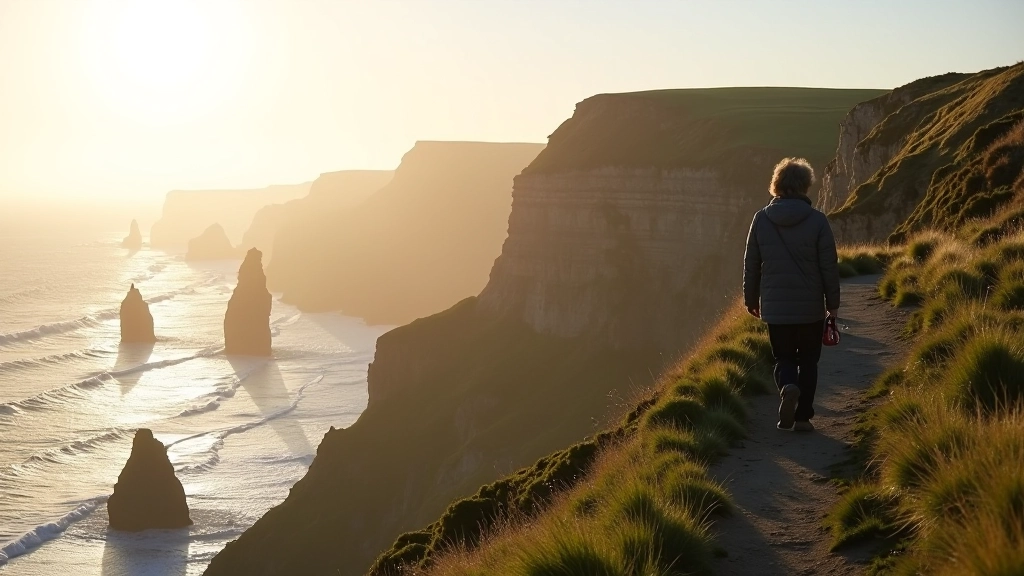
Visiting in early morning (before 9am) genuinely changes the experience. The light's better anyway, the pathways feel spacious, and you can actually hear the waves instead of tour group conversations. Early September is surprisingly quiet compared to August. And midweek visits always see fewer people than weekends.
If you do visit during busy times, don't let it ruin the experience. Move at your own pace, take breaks at the quieter platforms, and remember that everyone else is there for the same reason you are. Most people are respectful and patient.
Practical Details That Actually Matter
What to Bring
Waterproof jacket (non-negotiable). Comfortable walking shoes with grip. Sunscreen — the reflection off stone and water amplifies sun exposure. Hat or cap. A small backpack with water. Binoculars if you've got them — they reveal details on the far cliffs. Don't overdress; you'll warm up quickly from walking.
Facilities
The visitor centre has clean toilets, a café, and a gift shop. There are benches at regular intervals along the main trail. The café serves reasonable coffee and sandwiches — not fancy, but functional. No shops or facilities once you're on the trail itself, so plan accordingly.
Getting There
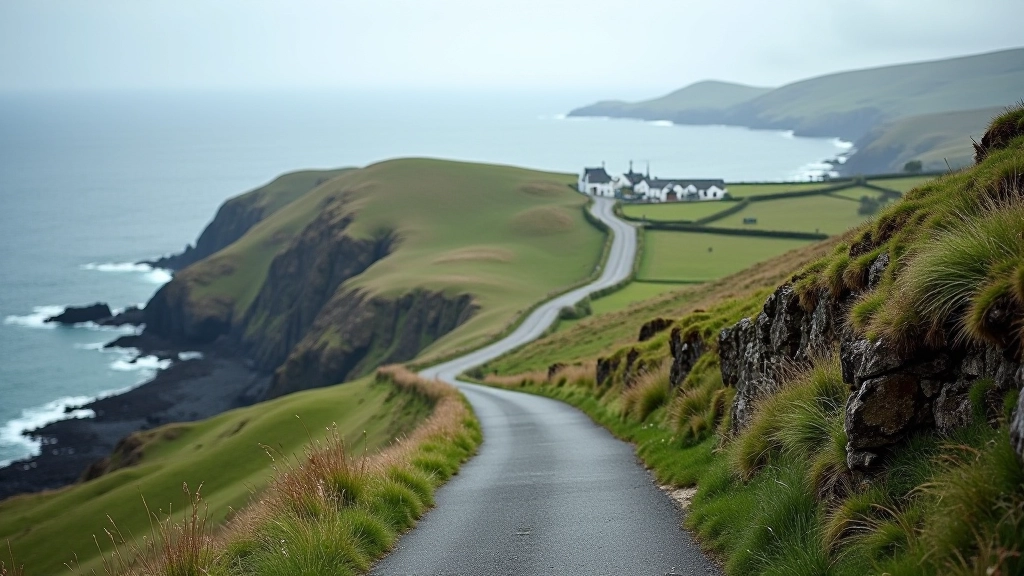
The Cliffs are near Doolin in County Clare. By car, it's roughly 2.5 hours from Dublin, 1.5 hours from Galway. The visitor centre car park is large and free. There's bus service from Galway and Doolin if you don't drive. The drive through the Burren region is scenic in itself.
Time to Spend
Budget 2-3 hours minimum. That's visitor centre, main trail section, and O'Brien's Tower. If you want to walk the full 7-kilometre coastal path, plan for 4-5 hours depending on fitness and how often you stop. Don't rush this.
Safety Isn't Optional Here
We need to be direct: people have died at these cliffs. Not frequently, but it happens. Most incidents involve people going beyond railings, testing their footing on unstable edges, or underestimating wind and weather. The railings exist for real reasons.
If you've got vertigo, balance issues, or a tendency toward impulsive decisions near edges, this might not be the experience for you. And that's completely valid. The Irish coast has plenty of dramatic views that don't require standing at the edge of 200-metre drops.
For everyone else: stay behind the railings. Don't encourage others (especially children or less confident visitors) to climb over them for photos. Respect the marked paths. If conditions feel unsafe, they probably are. Trust your instincts.
Is It Worth Your Time?
Honestly? Yes, if you're prepared. The Cliffs of Moher genuinely deliver. The scale is impressive, the light is extraordinary, and the experience of standing at the edge of something that massive changes your perspective. It's not quiet or remote — it's busy and touristy. But the natural phenomenon itself is real and worth seeing.
Go on a clear day if you can. Bring weather-appropriate clothing. Don't rush. Respect the safety measures. Take your time at the platforms. And remember: you're standing on one of Ireland's most iconic natural landmarks. That's not something to take for granted.
Important Notice
This article is informational and educational in nature. Conditions at the Cliffs of Moher change frequently, including weather, trail maintenance, and accessibility features. Always check current conditions with the visitor centre before your visit. If you have health concerns or mobility limitations, consult with your healthcare provider before attempting cliff walks. The information provided reflects general conditions but does not replace professional guidance specific to your situation.

Related Guides